Raw footage, project files and usage rights in a video quote
The 4 lines to read in any Malaysian video quote: raw footage, project files, usage rights by platform and period, and portfolio. What each adds and how to ask.
Every video quote should answer 4 questions in writing: do you get the raw footage, do you get the project files, where and for how long can the film run, and can the studio show it in its portfolio. If a line is missing, the default usually favours the studio, and adding it later costs more than adding it now.
This guide walks through each line, what it is, why it can add to the price, and the words to use when you ask. It is for marketing and events leads in Malaysia comparing quotes before a shoot.
The 4 lines, side by side
| Line | What it is | Who usually needs it | Why it can cost more |
|---|---|---|---|
| Raw footage | Every clip the camera recorded | Teams that will cut new versions later | Drive, transfer time, and the studio loses future re-edit work |
| Project files | The editor’s working timeline | Teams with an in-house editor | Rarely useful without the same software, fonts and licensed music |
| Usage rights | Where the film can run, and for how long | Anyone running paid ads or screens | Wider use is worth more, and talent fees rise with it |
| Portfolio | Whether the studio can show the work | Every client should decide | Saying no is usually free, but it needs to be written down |
We cover the ownership question behind all of this in who owns the footage after your event. This guide is the practical follow-on: the lines themselves.
Raw footage
Raw footage is everything the camera recorded. At a launch that can be hours of clips for a 90-second highlight film. Zenweb’s guide to hiring a Malaysian production company says raw footage is often excluded by default, and that leaving it out gets expensive later, when you want fresh clips and the only way to get them is another shoot day.
Why it can cost extra: someone has to copy hours of footage, check it, and hand it over on a drive or a download link. The studio also gives up any future re-edits from that shoot, because you can now take the footage to anyone.
Ask for it like this: “Raw footage from the shoot delivered on a drive or download link within 14 days of the event.” If you do not need it, write “raw footage not included” so nobody has to guess later.
Project files
Project files are the editing software’s working file: the timeline, the cuts, the titles, the colour settings. Sprintlaw makes the point from the UK side that a contract can let the client use the approved edit while the production company keeps the raw footage, project files and unused takes.
Most clients do not need them. A project file only opens properly with the same software, the same fonts and the same media in the same place. Music and title templates are often licensed to the studio, so they may not travel with the file.
You need project files if your in-house editor will rework the film for years. In that case, ask: “Project files delivered with all media, with a list of anything licensed to the studio that must be replaced.”
Usage rights by platform and period
Usage rights say where the finished film can run and for how long. The common Malaysian phrase is “for your social media”, which leaves out paid or organic, the period, and everything that is not a social feed.
Write it by platform and period instead:
- Organic social and your website, perpetual.
- Paid social, Malaysia, 12 months.
- Showroom screens and dealer pages, 12 months.
Wider use can cost more for a plain reason: a film running as a paid ad on every platform for 2 years is worth more to you than a post on your own page. If paid talent appears on camera, their fee rises with the use too. Walk Production’s guide notes talent buy-outs are priced by period and region, with a 6-month Malaysia buy-out costing less than a 1-year regional one with broadcast rights. The meaning of terms like boosting rights is in what usage rights and boosting rights mean.
Portfolio
Most studios want to show their work, and in our experience most clients agree. The line matters for embargoed launches, internal events and anything investor-facing. Juro’s videographer contract template puts this under confidentiality: whether the videographer may feature the finished video in its portfolio.
Saying no rarely costs anything. Saying “yes, from 1 March” is also fine. What costs you is silence, then a confidential product appearing on a studio’s feed. We cover the options in can the studio use your video in its portfolio.
How to ask without starting a fight
Send the 4 lines as a short reply to the quote, before the deposit. Something like:
Before we confirm, please add: (1) raw footage included or not, and how it is delivered, (2) project files included or not, (3) usage: organic social and website perpetual, paid social Malaysia 12 months, (4) portfolio use allowed from the public launch date.
A good studio will answer each line the same day, with a price next to any that cost extra. If the reply is vague, that tells you how the rest of the job will go.
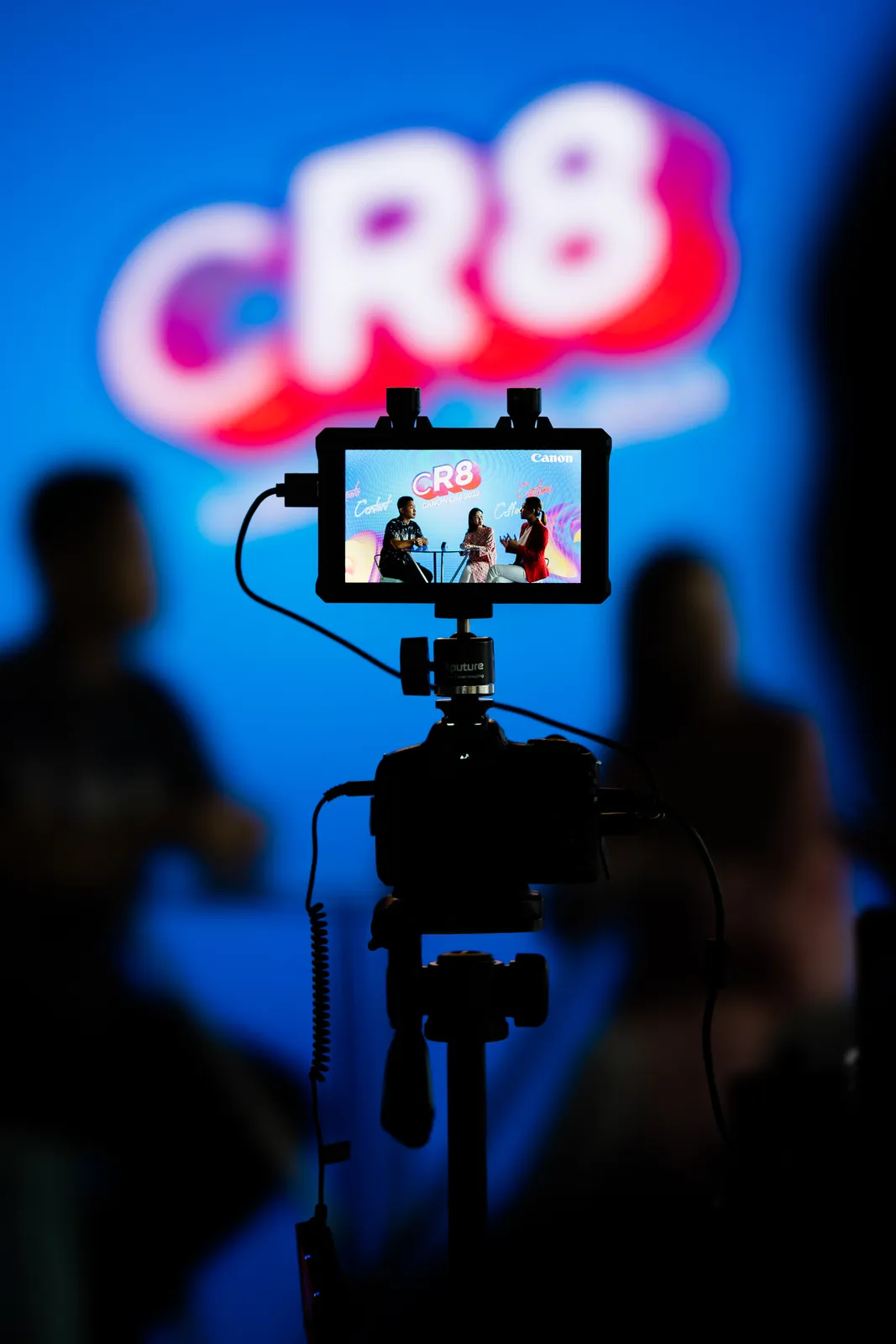
At the Haier exhibition hall at BCCK in July 2024, the deliverable was a horizontal event film. A film like that can run in several places: the brand’s own pages, paid social, a screen at the next booth. Those are 3 different uses, and each belongs in the quote.
Before you sign
Read the quote for these 4 lines and nothing else. Mark each one as included, excluded or missing. Ask for every missing line in writing. The rest of the agreement is covered in a video production agreement for Malaysian clients, and the whole topic sits under rights and delivery.
Our quotes carry the delivery dates, revisions and usage rights in plain words from the first draft. If you have a job coming up, send us the date and a line on the job. We reply with a quote within 1 working day.
Questions people ask
Can I ask my videographer for the raw footage?
Yes, and the best time to ask is before you sign. Many Malaysian quotes leave raw footage out by default, so write the request into the quote with a delivery method and a date. Ask after the job and the studio may charge more, or may have cleared the drives already.
What is considered raw footage?
Raw footage is every clip the camera recorded on the day, before anyone edits it. That includes the takes that went into the film and the hours that did not. It is different from the master file, which is the finished edit, and from the project files, which are the editor's working timeline.
What are video project files and do I need them?
Project files are the editing software's working file: the timeline, the cuts, the titles and the colour settings. Most clients never need them. You need them only if another editor will rework the film later. They also only open with the right software, fonts and media, so ask what comes with them.
How much should you charge for raw footage?
There is no standard Malaysian rate. The cost depends on how much was shot, how it is delivered and whether the studio loses future re-edit work by handing it over. Ask for raws to be priced as their own line in the quote, so you can see the figure and decide.
Do usage rights cost extra?
Organic use on your own pages is usually included. Paid ads, TV, outdoor screens and longer periods often cost more, partly because any on-camera talent may need a bigger fee for wider use. Name the platforms and the period in the quote so the price matches what you need.
Sources
- Zenweb, Video production company Malaysia: rates and how to pick (raw footage and talent usage often excluded by default)
- Sprintlaw, Who owns footage and final edits in a UK video production (raw footage, project files and unused takes)
- Walk Production, Corporate video production in Malaysia (talent buy-outs priced by period and region)
- Juro, Videographer contract template (rights clause covers final edits and raw footage)