One video in 3 languages or 3 separate videos?
Why we make 3 videos for paid ads in Malaysia, one per language and each in its own ad set as Zenweb advises, and when one video for everyone is fine.
For paid ads in Malaysia, we would make 3 separate videos, one per language, rather than one video that switches between 3. Zenweb’s guide to multicultural marketing in Malaysia advises running each language as its own ad set, so put each version in its own ad set on Meta or ad group on TikTok and compare cost per lead.
Below is the reasoning, what Zenweb’s campaign data says about language and leads, and the 2 cases where one video for everyone is the better call. It is for marketing managers in Malaysia who are about to brief a shoot and need to know how many versions to ask for.
Why one video in 3 languages rarely works
A single video that switches between BM, English and Mandarin asks every viewer to sit through 2 languages that are not meant for them. On a feed where people decide in the first seconds, that is a long wait.
It also hides the answer you need. If one mixed video brings in leads, you cannot tell which audience responded. If it does badly, you cannot tell which language failed.
Bilingual pieces have their place. The personal brand films we cut for clinic founders include bilingual consultations and an explainer told in 2 languages, where the switching is how the person talks. That works as organic content from a person. For an ad, we would split it.
The case for 3 videos, each in its own ad set
Zenweb’s guide to multicultural marketing in Malaysia gives the rule in one line: run each language as its own ad set so you can see which one produces leads at the lowest cost.
There is a second reason this matters on Meta. Zenweb notes that Meta does not let advertisers target by ethnicity or religion. You reach each community through language targeting, location, interests and the creative itself. In Zenweb’s words, on Meta your creative is your targeting. A Mandarin video in a Mandarin ad set reaches Mandarin speakers more precisely than any interest setting can.
Zenweb also publishes the share of Meta leads by ad language from campaigns it managed in Malaysia from 2024 to 2026:
| Audience | English | BM | Chinese |
|---|---|---|---|
| Malay-majority | 25% | 72% | 3% |
| Chinese-majority | 40% | 5% | 55% |
| Indian-majority | 70% | 28% | 2% |
| Mixed urban | 50% | 30% | 20% |
The language that brings in leads changes with the audience, and no single language leads everywhere.
How to set it up on Meta and TikTok
The structure is the same on both platforms.
- One campaign for the product or offer
- One ad set (Meta) or ad group (TikTok) per language, each with its own video
- The same offer, budget and run dates in each, so the comparison is fair
- A landing page, form or WhatsApp reply in the same language as the ad
Let each ad set spend long enough to produce a fair number of leads before you judge it. Then compare cost per lead, and follow those leads through to sales where you can. Zenweb lists judging segments by clicks instead of sales as one of the costly mistakes.
On the production side, 3 videos do not mean 3 shoot days. The presenter records every language at each setup, and the editor cuts 3 versions from one structure. We walk through that in BM, English and Mandarin from one shoot day.
A dealer example
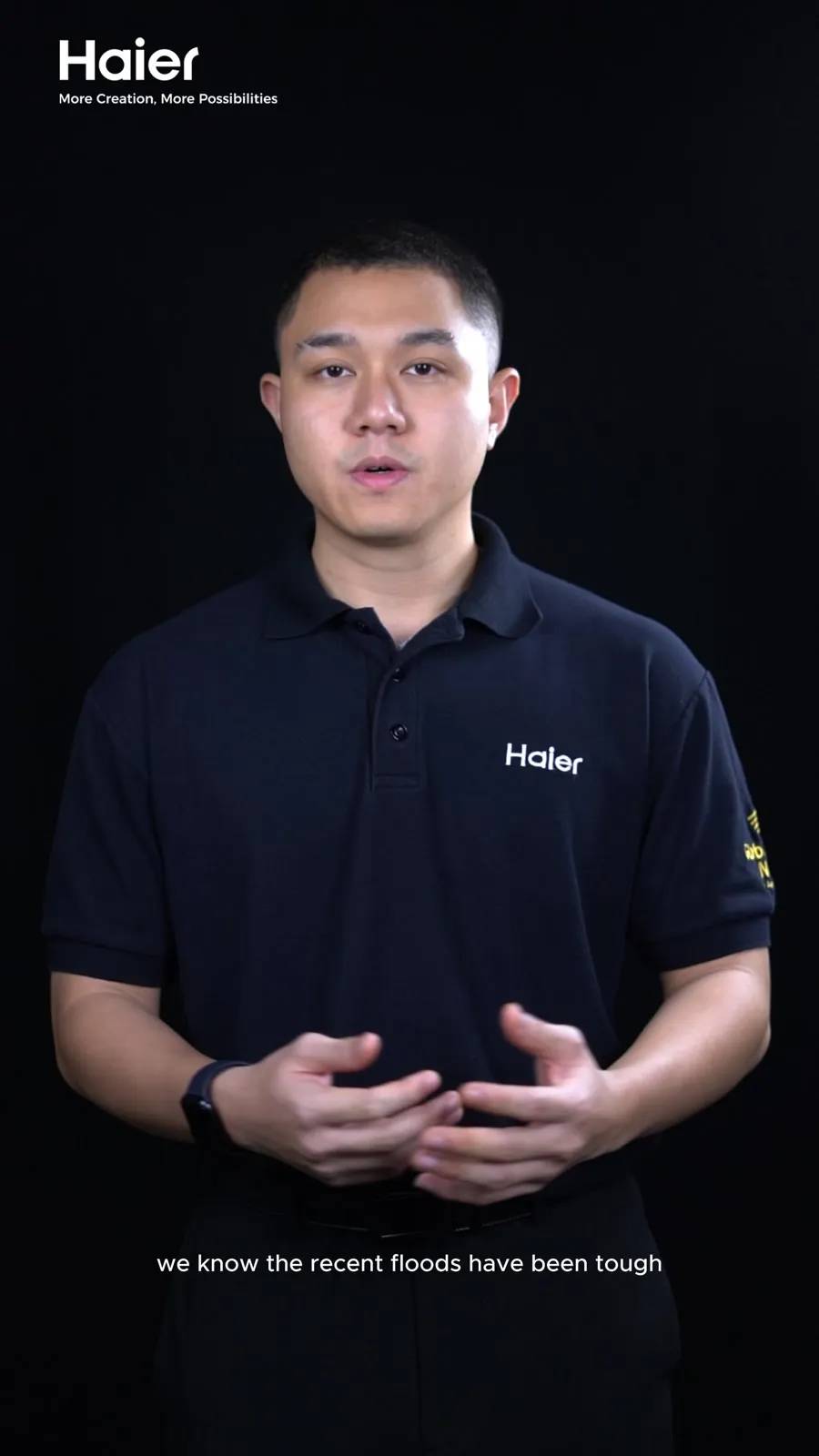
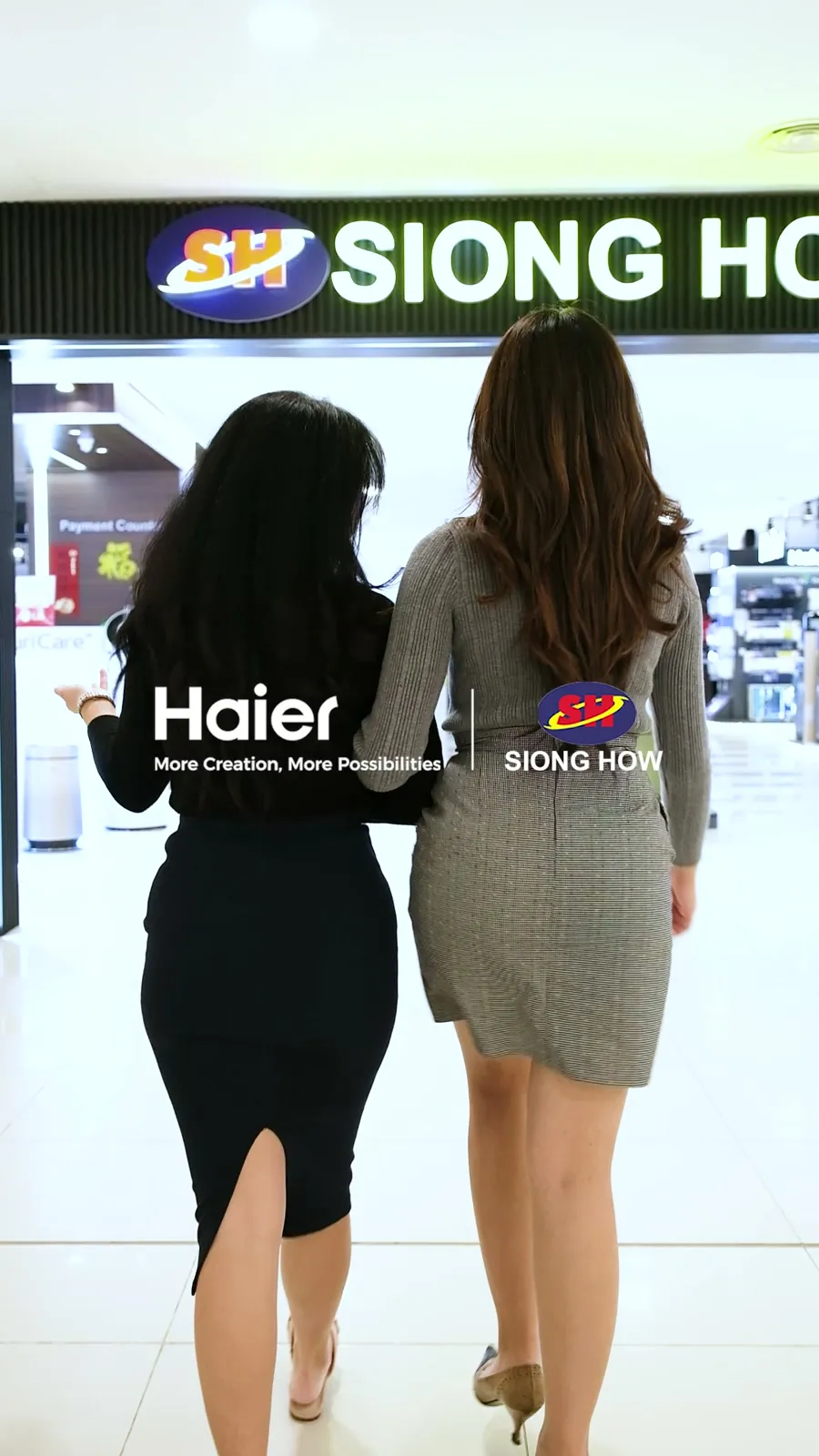
At Proton Supernau in Kuching, the X50 presenter piece ran in Mandarin. It speaks one language to one audience, which is the shape an ad set per language needs. For Haier, we filmed retailer activations with 2 presenters at Siong How in Kuching, and an in-store laundry demo with a host at CL Khoon in Miri that carries Chinese and English subtitles on one cut. That second shape suits organic posting to a mixed audience better than a single-language ad set.
The exceptions: festive and mass-market pieces
Festive pieces go to one community, in one language. Zenweb’s advice is to treat each major festival as its own campaign aimed at the community that celebrates it, and it calls one generic festive campaign a missed point. A Chinese New Year piece is made for Chinese Malaysians, so it needs one version, in the language that community prefers. Making 3 language versions of it misses the reason it exists. Our festive content calendar covers how to plan those through the year.
Mass-market pieces with little speech can serve everyone. A motion graphic, a product montage or a showroom walk-through with music and short on-screen text does not depend on spoken language. One version, with text in 2 languages or a version of the text per audience, is often enough. A motion graphic like the Toyota Chinese New Year piece below is the usual example.
Organic posting is different from paid. On your own page, posting 3 near-identical videos in a row crowds the feed. One main version with subtitles often serves the page better. Lamanify’s short-form guide for Malaysia says over 65% of Malaysian mobile users watch social videos on mute, so subtitles carry a lot of the load there. More on that trade-off in subtitles or separate cuts.
What to ask for in the brief
Write down the audiences you sell to, the language each one prefers, and whether each piece is for paid or organic use. Paid pieces get one version per language. Organic pieces get a main version with subtitles. Festive pieces get one version for the community that celebrates. The other multilingual video guides go deeper on each choice.
With that list, the quote can name every version as its own deliverable with its own date. Send us the date and a line on the job, and we reply with a quote within 1 working day.
Questions people ask
Which language should your ads use in Malaysia?
The language your target community prefers for that product. Zenweb's guide to multicultural marketing in Malaysia says BM usually wins with Malay consumers, Chinese copy lifts results with Chinese Malaysians, and English works for professionals. Run each language as its own ad set and let the cost per lead show you which one works for your product.
Can I target Malaysians by ethnicity on Facebook?
No. Zenweb's guide notes that Meta does not allow targeting by ethnicity or religion. You reach each community through language targeting, location, interests and, most of all, creative in the language they use. That is why a video in each language matters more on Meta than a broad audience setting.
Should I post one video with 3 languages or 3 separate videos?
For paid ads, 3 separate videos, each in one language and each in its own ad set, so you can compare cost per lead. For organic posting, one main version with subtitles is often enough. The exceptions are festive pieces, which go to one community in its own language, and mass-market pieces with little speech.
How much extra does a multicultural campaign cost?
Zenweb's guide says media costs barely change, but you pay for extra creative, copy and landing pages per language. On the video side, the extra is presenter time on the shoot day and edit time for each version. Recording every language at each setup keeps it to one shoot day.
Do I need a separate landing page or WhatsApp line for each language?
It helps. If the Mandarin ad sends people to an English-only form, you lose some of what the Mandarin video earned. Zenweb lists landing pages per language as one of the real costs of a multicultural campaign. At the least, the person who answers the enquiry should speak the language of the ad.