Can the studio use your video in its portfolio?
How portfolio rights work in a Malaysian video agreement: embargoes, confidential launches, internal events, how to say no, and why most clients say yes.
A studio can show your video in its portfolio if your agreement allows it, and most agreements either allow it or say nothing. If the film is confidential, internal or under embargo, say so in writing before the shoot.
This guide covers what portfolio rights are, when to say yes, when to say no, and how to word it. It is for brand, marketing and events leads in Malaysia signing off a video or photo job.
What portfolio rights are
Portfolio rights are permission for the studio to show the finished work as its own: on its website, its social pages, in pitches to other clients, and in award entries. Sprintlaw, writing on UK production contracts, lists the usual places: showreels, awards submissions and social posts.
This is separate from who owns the film. You can own the film outright and still give the studio permission to show it. The studio can own the film and still agree not to show it. Ownership is covered in who owns the footage after your event.
Juro’s videographer contract template files portfolio use under confidentiality: whether any footage or project details are confidential, and whether the videographer may feature the finished video in their portfolio. That is a sensible place for it. The question underneath is what you are ready to make public, and when.
When it is fine to say yes
For public work, saying yes costs you little and usually helps. The film is already on your pages. The studio showing it sends a few more people to the same work. In our experience most clients say yes, and the ones who say no have a specific reason.
A public event is the easy case. The Haier exhibition hall film at BCCK in July 2024 is the kind of work studios want to show: an exhibition, where the point of being there was to be seen.
When to say no, or not yet
Sprintlaw names the moments that matter: before a campaign launch, before a product release, and where sensitive internal or investor content is involved. In practice that gives 4 common cases.
- Unannounced launches. The shoot happens before the reveal. Any post, even a behind-the-scenes clip, can leak the product.
- Internal events. Town halls, staff dinners, award nights. The guests agreed to be filmed for the company, not for a studio’s feed.
- Investor and board material. Anything with numbers or plans on screen.
- People who did not agree to be shown publicly. Guests at a private dinner, staff who opted out, children at a family day.
For a launch, the answer is often “yes, from a date” rather than “no”. For an internal event, the answer is usually “no”, or “yes, with no faces and no names”.
Photos work the same way
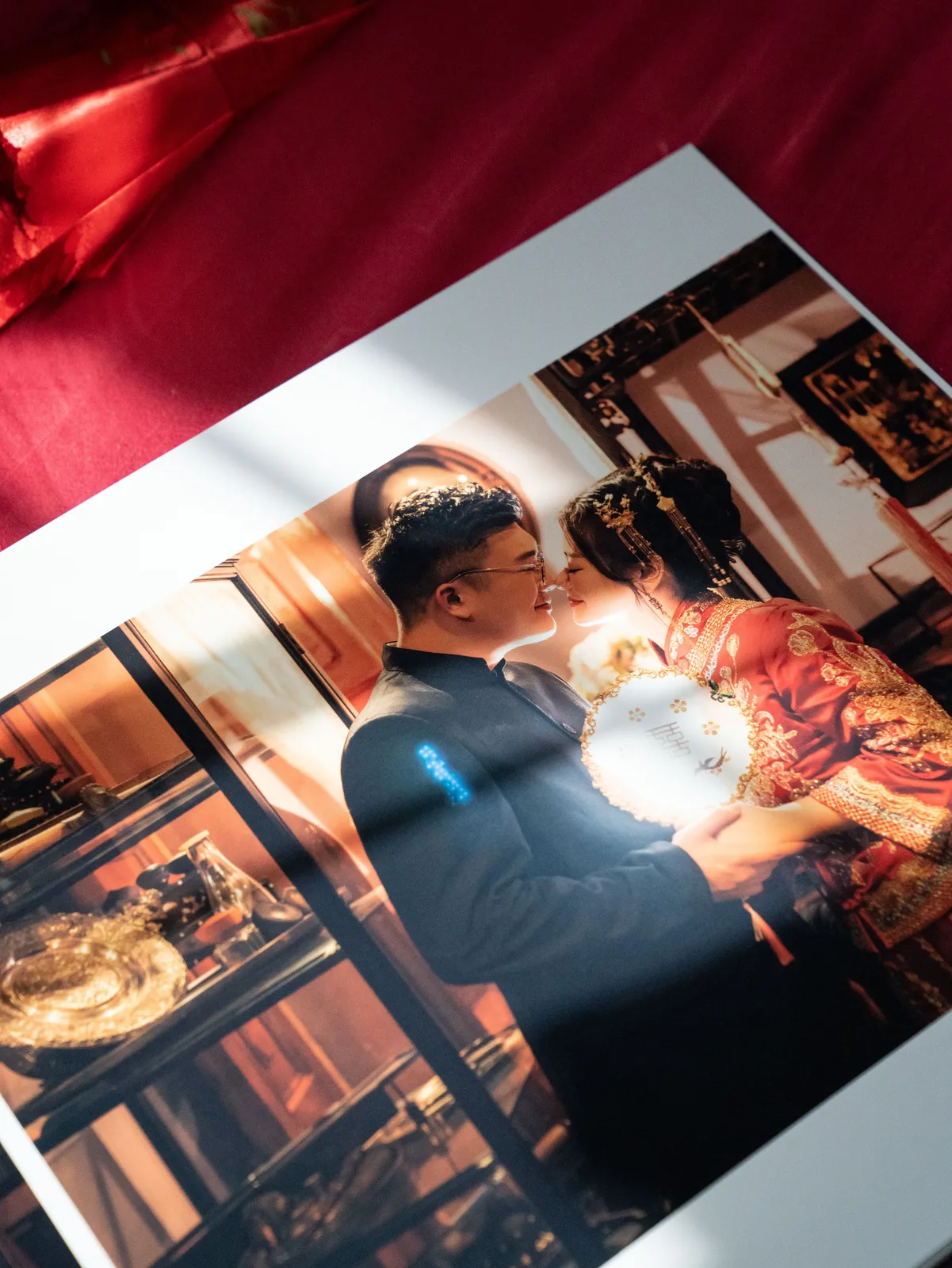
A common search in Malaysia is whether a photographer can use your photos without your permission. The answer follows the same logic as video. What you agreed decides it, and in our experience many photographers show their work by default unless the agreement says otherwise.
Photos raise one extra point. A single still of a guest’s face is easier to share, crop and repost than a frame buried in a film. For a private dinner, a family day or a staff party, think about the people in the photos as well as the brand. They agreed to be photographed for your event, which is not the same as agreeing to appear in a studio’s portfolio. Our guide to filming guests at a corporate event in Malaysia covers consent on the day.
How to word it
Pick the line that fits and put it in the quote or the agreement.
Portfolio use allowed. The studio may show the finished films and stills on its website and social pages.
Portfolio use allowed from [date]. Nothing from the shoot, including behind-the-scenes content and crew posts, is published before then.
Portfolio use allowed with the brand name removed and no identifiable guests.
No portfolio use. The footage, stills and project details are confidential.
Name behind-the-scenes content and crew social posts in the embargo line. Those are the leaks people forget. Also ask for a takedown line: “The studio removes the work from its portfolio within [time] of a written request.” The other rights lines that belong next to this one are in raw footage, project files and usage rights.
What we do
We show the work. The films on our site are how new clients judge us, so we ask for portfolio use in every quote and accept the answer. Some work is shown by category with the brand left off, which is why some of our films are labelled “personal brand content” rather than with a name.
If a launch is under embargo, we write the date into the quote and post nothing before it, behind-the-scenes included.
Before you sign
Decide the portfolio line before the shoot, while it is an easy conversation. Yes, yes from a date, yes without names, or no. Each one is fine. Silence is the only bad option. The full set of clauses is in a video production agreement for Malaysian clients, and the rest of the topic sits under rights and delivery.
If you have a job coming up, send us the date and a line on the job. We reply with a quote within 1 working day, with the portfolio line already in it.
Questions people ask
Can a production company use our video in its portfolio?
Only if your agreement allows it, or says nothing and you have not objected. Most studios ask for portfolio rights and most clients agree. If the film is confidential, internal or under embargo, write that into the quote before the shoot, with the date the studio may post from, if any.
Can a photographer use my photos without my permission?
It depends on what you agreed and who appears in the photos. Many photographers keep copyright and show their work by default. If you do not want that, say so in writing before the job. For photos of identifiable guests, also think about consent. Check with your lawyer if the job is sensitive.
How do I stop a studio posting our launch before the embargo lifts?
Write the embargo date into the portfolio line: no posting of any footage, stills or behind-the-scenes until a named date or until you announce. Include behind-the-scenes content and crew social posts by name, because those are the leaks people forget.
Should I let the studio show our video?
For public work, usually yes. It costs you nothing, it can send traffic to a film you already paid for, and the studio has a reason to make it good. Say no for internal events, investor material, unannounced products and anything involving people who did not agree to be shown publicly.
Can I ask a studio to take my video down later?
You can ask, and a good studio will usually agree. Whether they must depends on the agreement. If you want the right, add a line: the studio removes the work from its portfolio within a set time of a written request.